
Climate Change and SRHR in Uganda: Challenges for Rural Women and Youth
Kamuli District, Uganda
Agrovision She Farmers
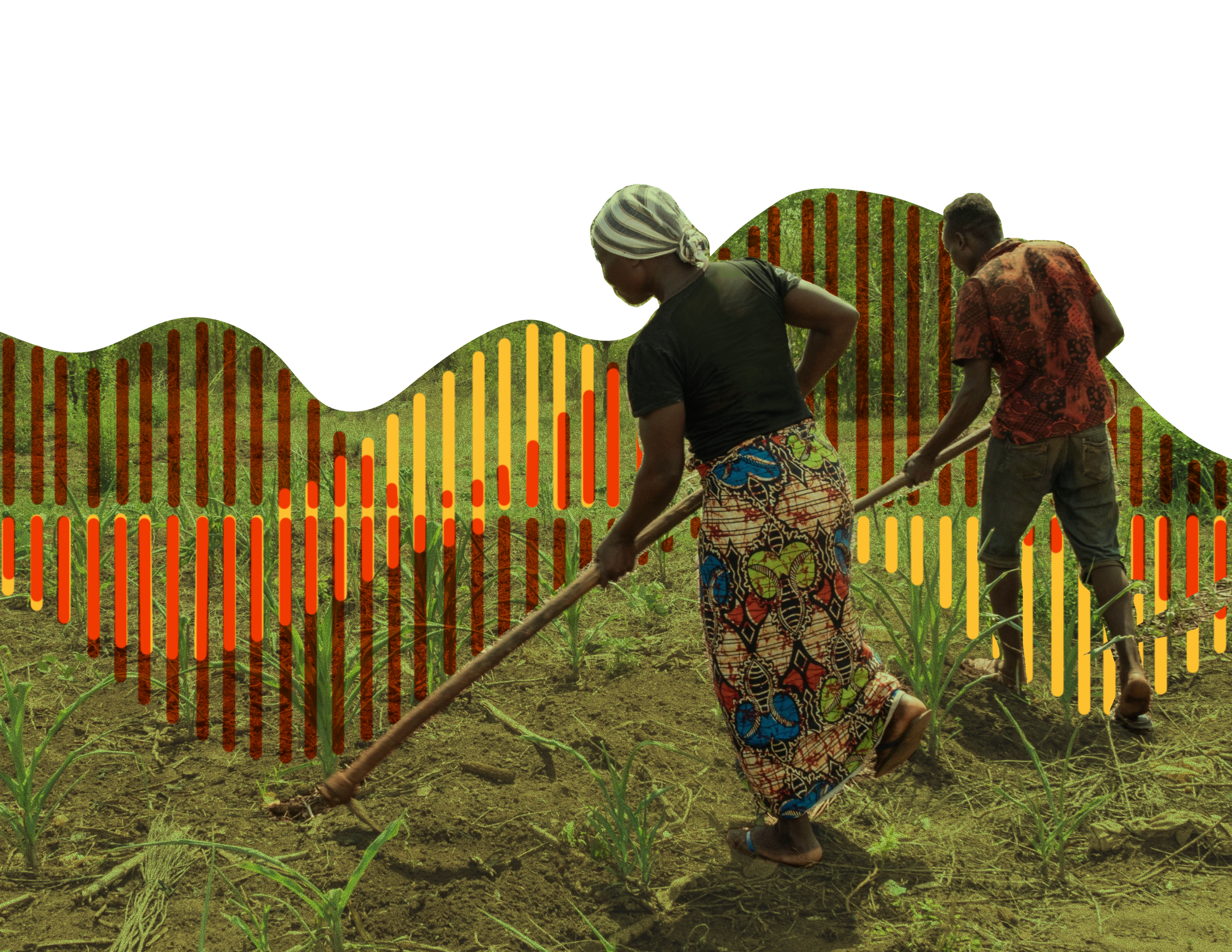

Uganda ranks 36th globally for climate vulnerability, with agriculture—employing 70% of the population—bearing the heaviest impact. In Kamuli District, Eastern Uganda (population ~500,000), prolonged droughts, erratic rainfall, and temperatures rising by 1.3°C over 50 years are disrupting subsistence farming and straining livelihoods. Women, who comprise much of the agricultural workforce, face heightened burdens including long-distance resource fetching, increased harassment risks, and limited SRHR access. Youth face unemployment, migration pressures, and stigma in accessing health services, with widespread poverty exacerbating these challenges.
This mixed-methods study (surveys, n=494; FGDs; KIIs; workshops) examined the intersections of climate change, health, and SRHR in rural and peri-urban communities.

Research Methodology

Component

Design
Sample
Location
Timeline
Funding
Funding
Details
Mixed methods (quantitative survey + qualitative FGDs, KIIs, workshops)
494 survey respondents; FGDs, KIIs, and community workshops
Kamuli District, Eastern Uganda
January – September 2025
Kamuli District Review Board; Population Council IRB
Notes
Rural and peri-urban communities
PERCC/Population Council award
Part of PERCC case study porfolio
Key Findings
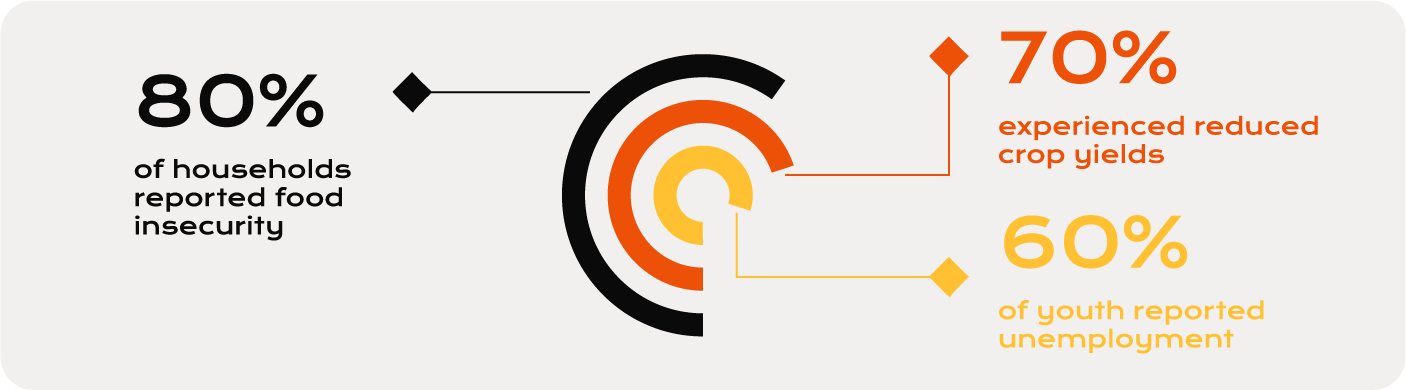
Widespread food insecurity and health impacts: 80% of households reported food insecurity; 70% experienced reduced crop yields. Respiratory and mental health issues are prevalent, with stress linked to gender-based violence.
SRHR access constrained: Commodity stockouts, youth-unfriendly services, and stigma limit access to family planning and reproductive health care. Youth avoid services due to judgment; migration increases risk exposure.
Gender-specific burdens: Women bear disproportionate climate impacts through increased unpaid labour, resource fetching over longer distances, and heightened harassment risks. Transactional sex reported as a coping mechanism.
Youth exclusion and unemployment: 60% of youth reported unemployment. Young people are largely excluded from decision-making on climate adaptation and health service design despite being among the most affected.
Community coping strategies exist but are insufficient: Local adaptations such as drought-resistant crops and traditional remedies are in use but lack institutional support, resources, and integration with formal systems.
System gaps persist: Health systems are under-resourced with no formal linkage between climate adaptation and SRHR programming. District planning lacks gender-disaggregated, climate-informed data.

“In Kamuli, climate-health-SRHR links demand integrated action. Advancing SRHR—especially among youth—fosters resilience and reduces inequalities.”
— Agrovision She Farmers
Recommendations
1
Integrate SRHR and climate education in youth clubs and community programmes, targeting improved health knowledge and reduced stigma in service access.
2
Support women- and youth-led climate-smart livelihood programmes, including vocational training in agroforestry and sustainable agriculture.
3
Strengthen SRHR supply chains and expand youth-friendly health services, with frontline workers trained on climate-related health risks.
4
Mandate community consultations in district climate and health planning, ensuring gender-disaggregated data informs resource allocation.
5
Integrate SRHR and gender equity into national climate frameworks, including NDC 3.0 and the Health National Adaptation Plan.