Mental Health Resilience in Costal Bangladesh
Union of Shymanagar sub-district, Satkhira district, Bangladesh
Centre for Climate, Society, and Environment (CCSE), Jagannath University
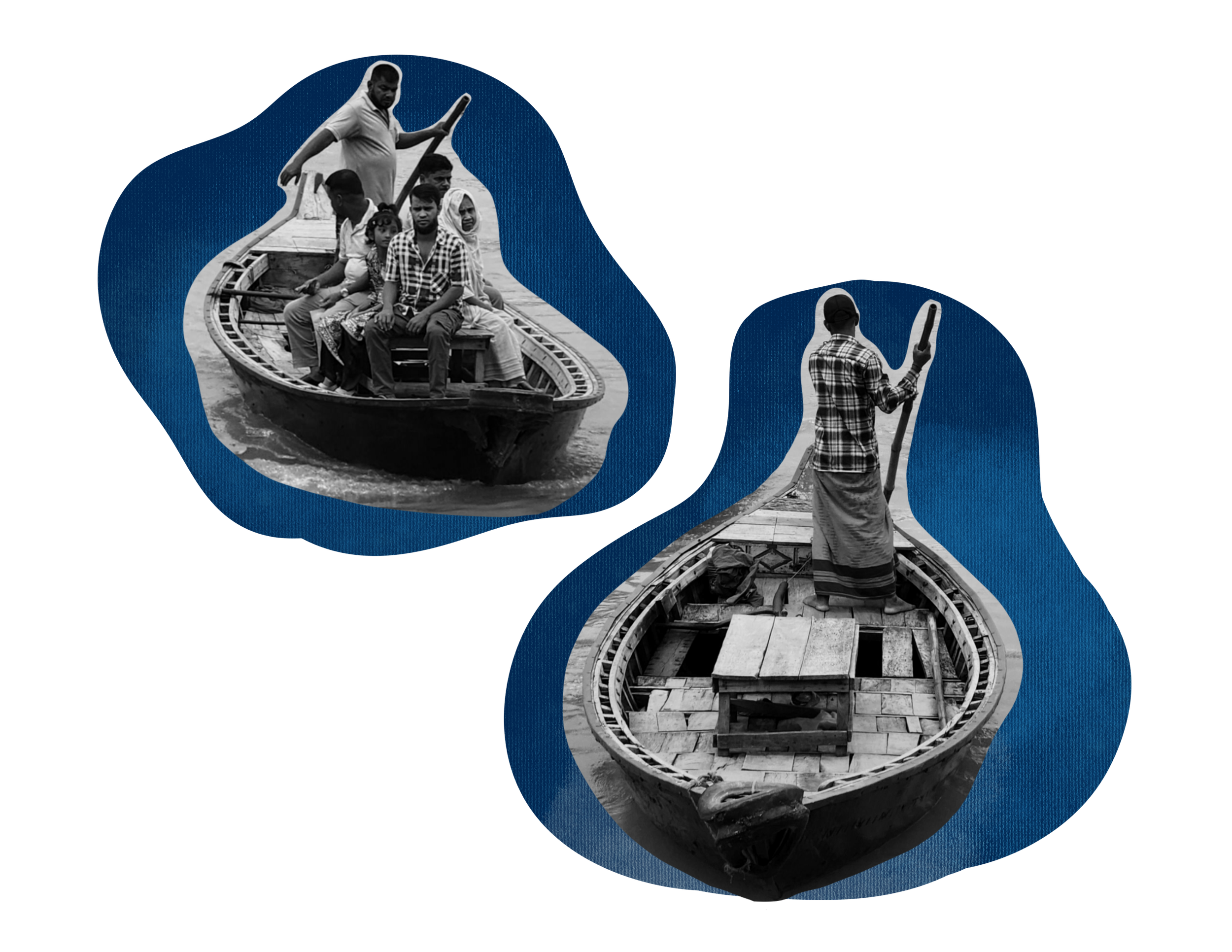
Bangladesh’s low-lying deltaic geography makes its coastal communities among the most climate-vulnerable in the world. In Gabura Union, Satkhira District, residents face compounded and recurring climate hazards—cyclones, salinity intrusion, riverbank erosion, and storm surges—that devastate livelihoods, damage homes, and threaten access to safe drinking water. While physical and economic impacts are well documented, the psychosocial consequences remain largely invisible in policy and service delivery.
This mixed-methods study investigated the mental health burden of climate hazards and the coping strategies households employ, with particular attention to the experiences of women, children, and older adults.

Research Methodology

Component
Design
Sample
Location
Timeline
Funding
Details
Mixed methods (household survey + qualitative FGDs and KIIs)
Gabura Union, Satkhira District, southwestern Bangladesh
Notes

~100 households survey respondents; 4 FGDs; 15 KIIs
PERCC/Population Council award
Community leaders, service providers, residents
(Data collection period)
Coastal area with compounded climate risks
Part of PERCC case study porfolio
Key Findings
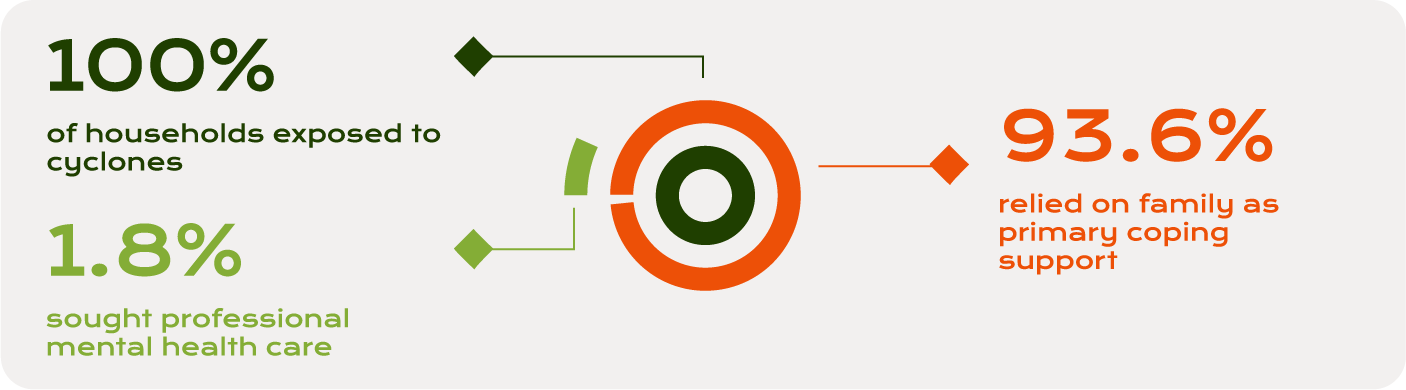
Extreme multi-hazard exposure: All households reported cyclone exposure (100%); 99% experienced salinity intrusion; 87% riverbank erosion. Over 70% rated impacts as high to catastrophic, citing livelihood loss, property damage, and water insecurity.
Pervasive mental health burden: Residents reported PTSD symptoms, anxiety, depression, and insomnia linked to past cyclones (Aila 2009, Amphan 2020). Environmental cues like strong winds trigger renewed panic. Livelihood collapse drives shame, despair, and social withdrawal, particularly among men.
Gendered and age-specific impacts: Women and adolescent girls experience compounded distress from unsafe water collection, reproductive health stigma linked to salinity, and caregiving burdens. Children show fear, behavioural changes, and school dropout.
Near-absence of formal mental health services: Only 1.8% sought professional mental health care. No formal MHPSS services exist at the union level. Mental health is absent from disaster planning, shelters, and primary care.
Strong informal coping, but insufficient: 93.6% relied on family support; 82.6% on faith-based practices. Community mobilisation (embankment reinforcement, coordinated evacuation) provides resilience but cannot replace structured services.
“The climate crisis in coastal Bangladesh is not only an environmental and economic disaster—it is a psychosocial disaster. Without addressing the mental health burden, resilience will remain out of reach.”
-Adapted from study findings, Gabura Union
Recommendations
1
Embed mental health and psychosocial support (MHPSS) within disaster risk reduction and climate adaptation plans, with dedicated budget lines.
2
Train frontline health workers, disaster volunteers, and teachers in psychological first aid, trauma-informed care, and referral pathways.
3
Integrate mental health screening into primary are and outreach, with tele-counselling options for remote households during cyclone seasons.
4
Pair psychosocial support with WASH and livelihood recovery programmes to reduce the chronic stressors driving mental health burden.
5
Prioritise gender- and age-responsive approaches, including safe spaces for women and girls, and targeted outreach to older adults and persons with disabilities.