
Climate Vulnerabilities of Adolescent Girls in Rwanda
Western Province, Rwanda
Green Starz Impakt Hub
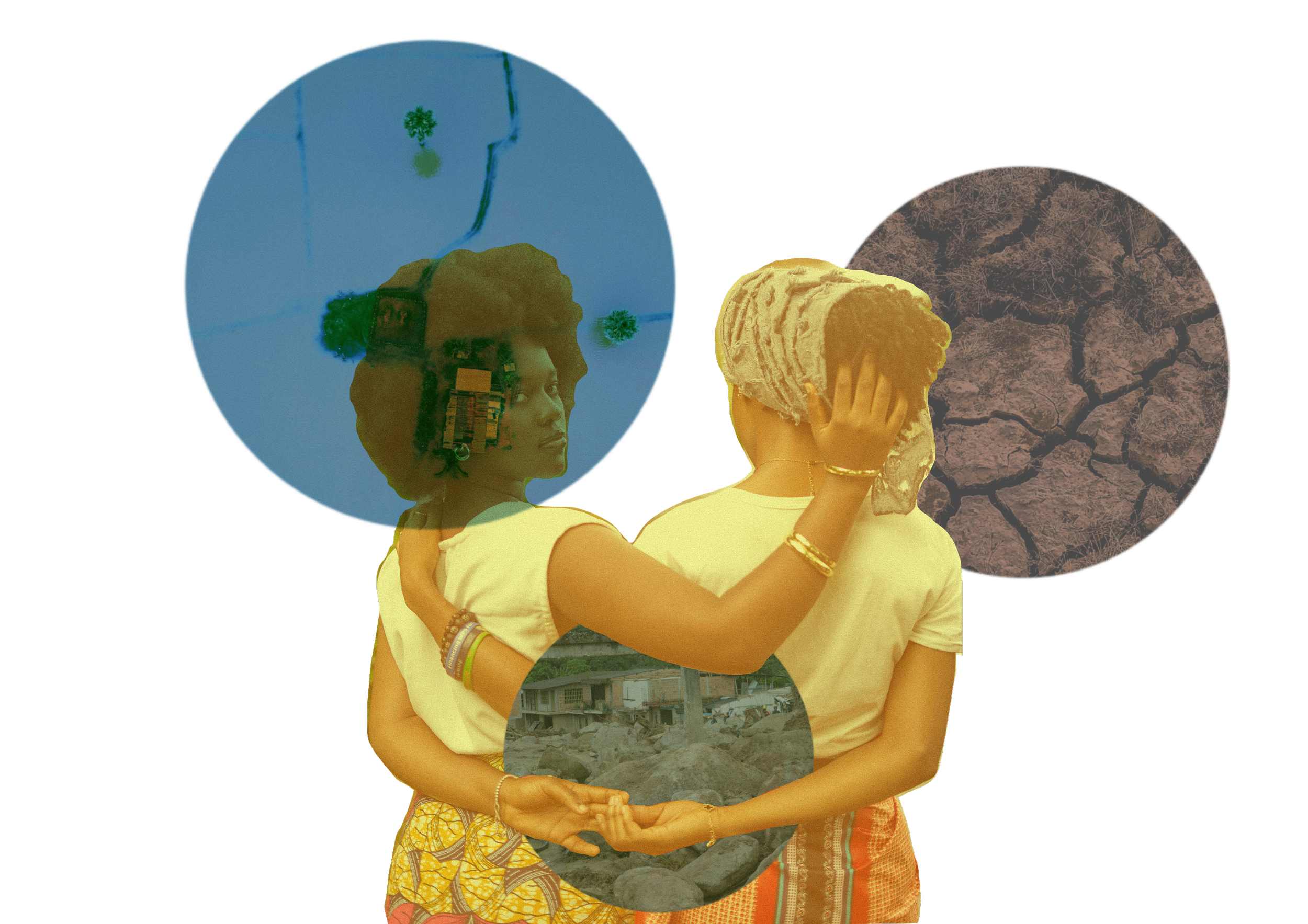
Rwanda’s mountainous Karongi and Gakenke districts face recurrent floods, landslides, and droughts that disrupt livelihoods and expose adolescents—particularly girls—to compounding health, education, and protection risks. Karongi’s location along Lake Kivu heightens flood risks, while Gakenke’s steep highlands are prone to landslides and soil degradation. Even before climate shocks, adolescent girls faced significant barriers to SRHR services including stigma, limited youth-friendly care, and confidentiality concerns.
This mixed-methods study surveyed 200 adolescent girls and engaged 64 participants in focus groups, alongside six key informant interviews with teachers, health officials, and local leaders, to examine how climate hazards intersect with girls’ health, education, and socio-economic vulnerability.

Research Methodology

Component
Design
Sample
Location
Timeline
Funding
Details
Mixed methods (quantitative survey + qualitative FGDs and KIIs)
Karongi (Western Province) and Gakenke (Northern Province), Rwanda
Notes

200 adolescent girls surveyed; 64 FGD participants; 6 KIIs
PERCC/Population Council award
Teachers, health officials, local leaders
2025
Mountainous, climate-affected districts
Part of PERCC case study porfolio
Key Findings
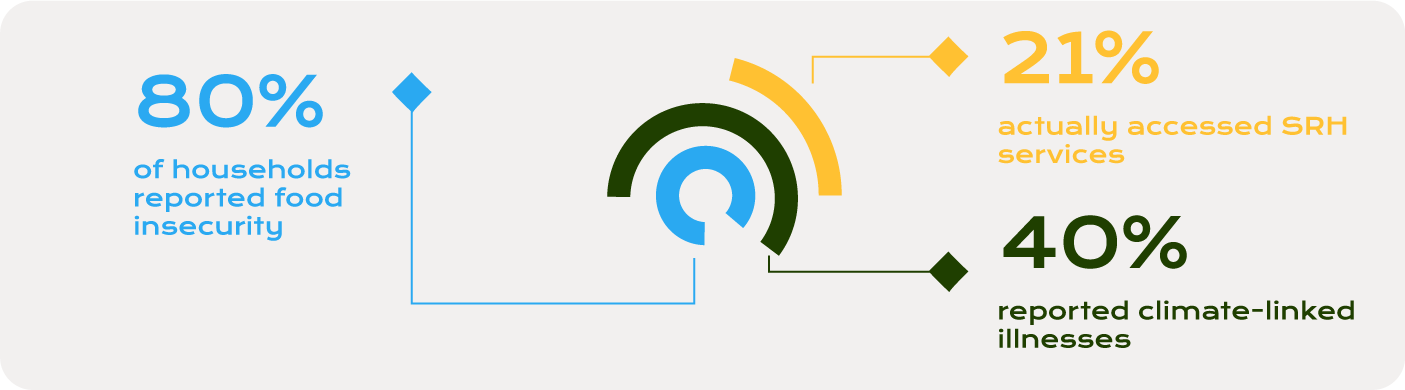
Climate shocks drive acute health burdens: 40% of adolescent girls reported climate-linked illnesses, including respiratory infections (53%), waterborne diseases (37%), and heat-related illness. 42% of households faced food insecurity, with girls surviving on cassava alone for weeks after landslides destroyed harvests.
SRHR awareness without access: 86% of adolescent girls were aware of SRHR information, but only 21% accessed services. Barriers include stigma, fear of judgment, and confidentiality concerns. During disasters, 47% reported damaged health infrastructure and 35–40% experienced disrupted SRHR access.
Education disruption is gendered: Girls missed an average of five school days per disaster, with dropout rates rising to 11–12%. Girls were disproportionately affected by unsafe travel routes, household duties, and pregnancy pressures. Yet 92% received climate education in schools—an untapped resilience asset.
Mental health impacts are widespread but invisible: Most adolescent girls reported trauma, anxiety, or depression linked to displacement and crop loss. Parents often normalised distress, reinforcing stigma. Adolescent-friendly psychosocial services were scarce.
Displacement proximity paradox: Contrary to global literature, Rwanda’s relocation model—placing camps near schools—sometimes increased enrolment, though learning quality remained compromised by hunger and trauma.
Strong community resilience, under-leveraged: 75% of girls reported coping strategies including boiling water, planting anti-erosion grasses, and participating in Umuganda. But adolescent-specific safeguarding and SRHR integration remain missing from these structures.

“Our banana plantation was destroyed. It was our school fees, so I had to leave school.”
— Adolescent girl, Karongi District
Recommendations
1
Expand school environmental clubs into integrated climate-health-education platforms that include SRHR awareness, mental health literacy, and disaster preparedness for adolescent girls.
2
Redesign SRHR services to prioritise confidentiality: establish private counselling spaces, deploy youth-trained providers, and integrate mobile health teams during floods and landslides.
3
Embed adolescent-specific SRHR continuity, protection, and education safeguards into national climate adaptation and disaster response frameworks, with dedicated district-level budget lines.
4
Fund longitudinal research to assess long-term impacts and cost-effectiveness of integrated adolescent climate resilience models to inform Vision 2050 investments.